What is Natural Building?
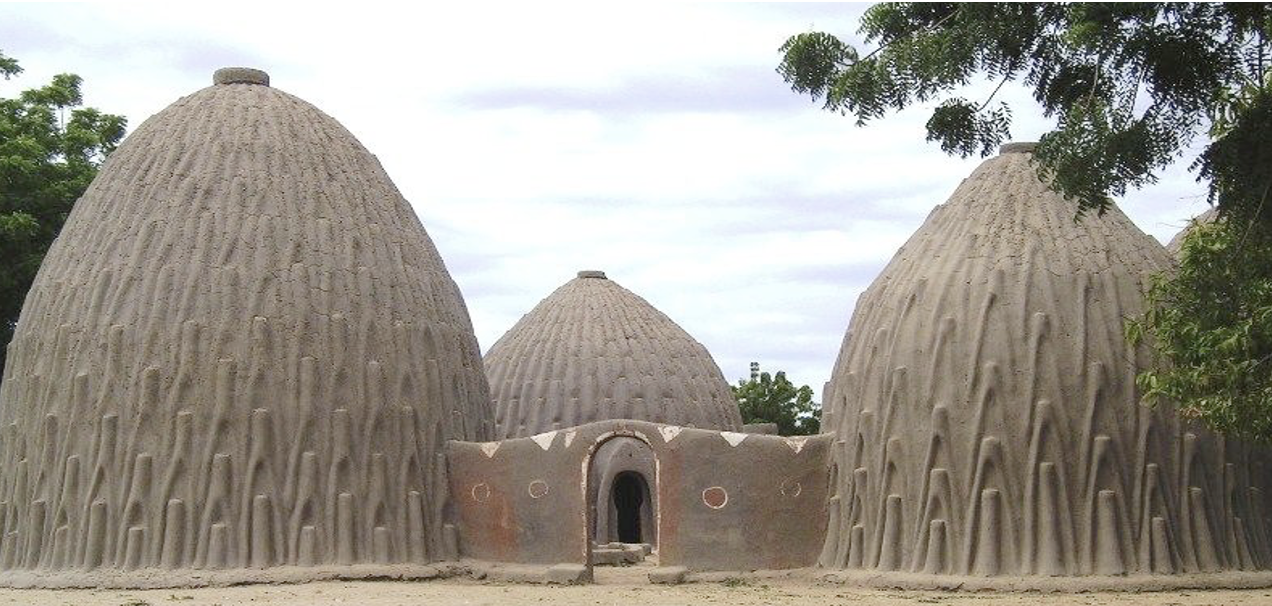
Natural building is the art and science of creating shelter with materials sourced directly from the earth such as clay, sand, straw, stone, timber, and reclaimed resources. It is guided by ecological ethics, cultural traditions, and a philosophy that sees shelter not as a commodity but as a relationship with place.
At its heart, natural building begins with simple questions: How can we create homes that sustain both people and the land? How can shelter express beauty, belonging, and care while reducing ecological harm? The answers emerge through design approaches that mirror natural cycles, honor cultural traditions, and emphasize resilience, affordability, and human scale.
Core philosophies of natural building
Ecological Integrity: use of renewable, local, and low-impact materials that return safely to the earth.
Human Scale: spaces designed for comfort, health, and harmony with natural light and climate.
Cultural Continuity: honoring Indigenous and vernacular building traditions that have sustained communities for centuries.
Spiritual Relationship: building as an act of reverence, where walls, roofs, and hearths connect people to place.
Community and Skill Sharing: construction as a participatory act that brings people together.
Core techniques in natural building
Cob: a hand-sculpted mixture of clay, sand, straw, and water, forming strong and curving walls.
Adobe: sun-dried earthen bricks, used for centuries in desert and semi-arid climates.
Straw Bale: tightly packed bales used for insulation and structure, offering warmth and breathability.
Timber Frame and Roundwood: traditional carpentry methods that create durable, flexible frameworks.
Earthbag / Superadobe: bags filled with earth, stacked in courses, often used for domes and resilient structures.
Earthships: pioneered by Michael Reynolds, homes built with recycled materials, thermal mass, and off-grid systems.
Reciprocal Roofs and Roundhouses: elegant designs using local timber, popular in European eco-communities.
These methods are not separate from philosophy. Each embodies a way of thinking: cob celebrates sculptural creativity, adobe continuity with tradition, straw bale the blending of old and new, and Earthships the challenge of modern sustainability. To build naturally is to recognize that our homes can be regenerative, embodying ecological care and cultural meaning. A cob wall or straw bale home is not simply structure but story: of hands mixing clay, of communities raising walls together, of shelter that breathes with the land.
Resources & Further Reading
The Hand-Sculpted House by Ianto Evans, Linda Smiley, and Michael G. Smith
Earthbag Building by Kaki Hunter and Donald Kiffmeyer
Earthship: Systems and Materials by Michael Reynolds
