
What is Food Sovereignty?
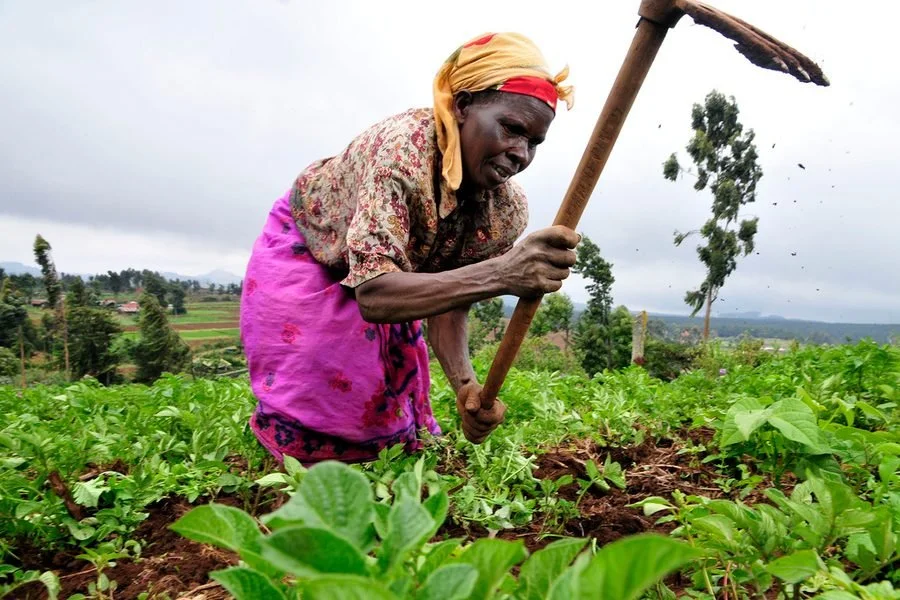
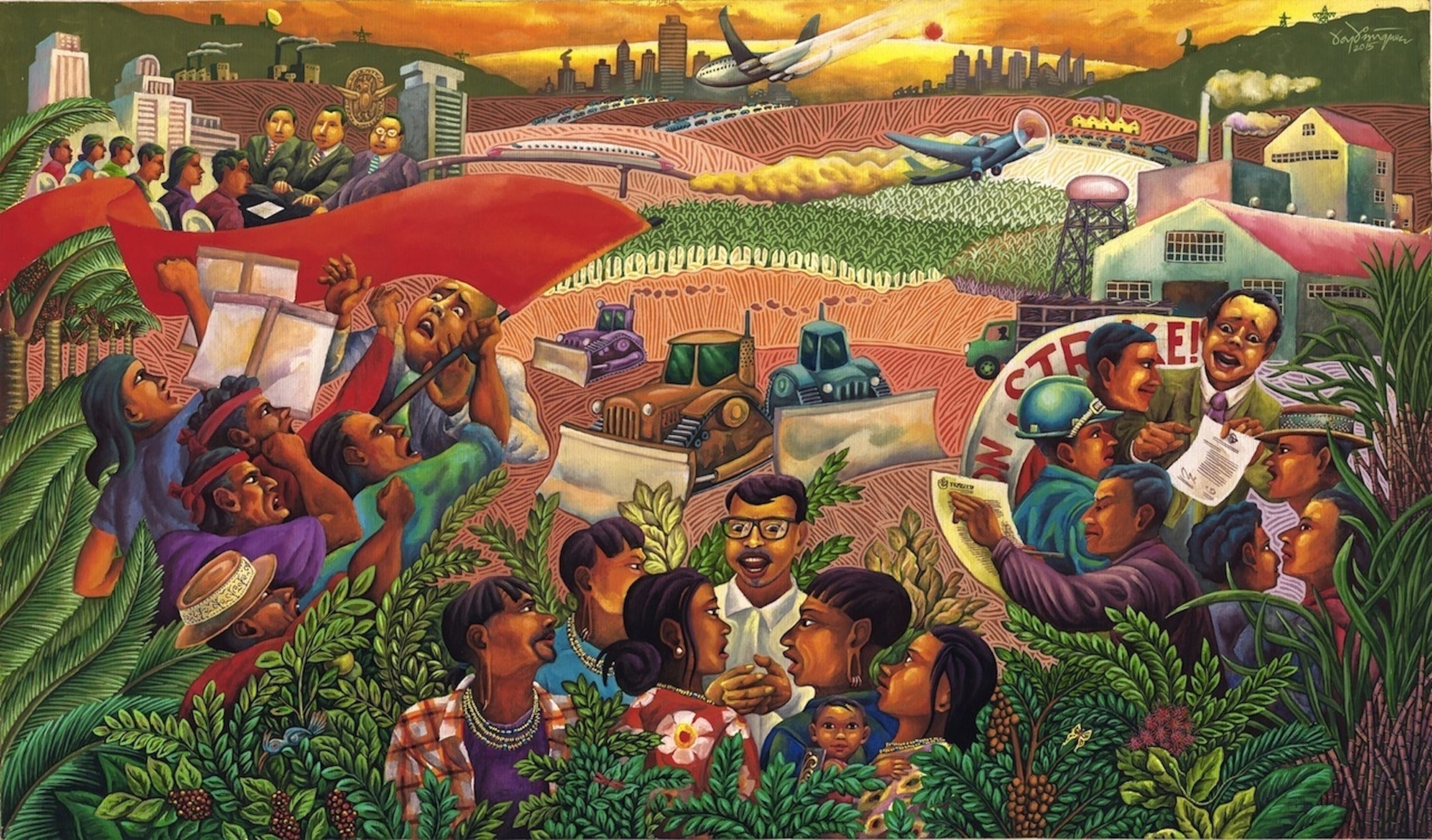

Food sovereignty is the right of peoples, communities, and nations to define their own food systems. The term was introduced in 1996 by the international peasant movement La Vía Campesina as an alternative to the concept of “food security.” Where food security focuses on access to sufficient food, food sovereignty emphasizes who controls the land, seeds, and systems of distribution.
Food sovereignty asserts that food is not a commodity but a basic human right. It connects ecological farming practices with struggles for land rights, cultural preservation, and economic justice. By foregrounding the autonomy of small farmers, Indigenous peoples, and local communities, it challenges the corporate concentration of agriculture.
Core Principles of Food Sovereignty
Right to Food: affirming access to culturally appropriate, nutritious food as a human right.
Local Control: protecting the rights of communities to manage land, water, and seeds.
Ecological Sustainability: advancing farming methods that regenerate soil, biodiversity, and water.
Cultural Integrity: safeguarding traditional knowledge, seed varieties, and food practices.
Economic Justice: prioritizing fair livelihoods for farmers, farmworkers, and food producers.
Democratic Participation: ensuring that decisions about food systems are made by those most affected.
Examples in Practice
Seed Sovereignty Movements: initiatives like Navdanya in India protect Indigenous seeds from corporate patenting and promote farmer-to-farmer exchange.
Zapatista Farming in Chiapas: autonomous communities in Mexico that organize food production through collective governance.
Soul Fire Farm (New York, USA): a Black- and Brown-led farm that integrates Afro-Indigenous growing practices with land justice education.
Peasant Agroecology Schools: training centers throughout Latin America that pass on agroecological methods as part of food sovereignty movements.
Food sovereignty reframes agriculture as a question of power, culture, and ecology. It insists that the future of food must be rooted in local autonomy, biodiversity, and social justice, rather than in the globalized logic of agribusiness.
Resources & Further Reading
Food Sovereignty: Reconnecting Food, Nature & Community — Edited by Hannah Wittman, Annette Aurelie Desmarais, and Nettie Wiebe
Who Really Feeds the World? — Vandana Shiva
Navdanya International — navdanyainternational.org
