
Winona LaDuke: Land, Seeds, and Indigenous Futures
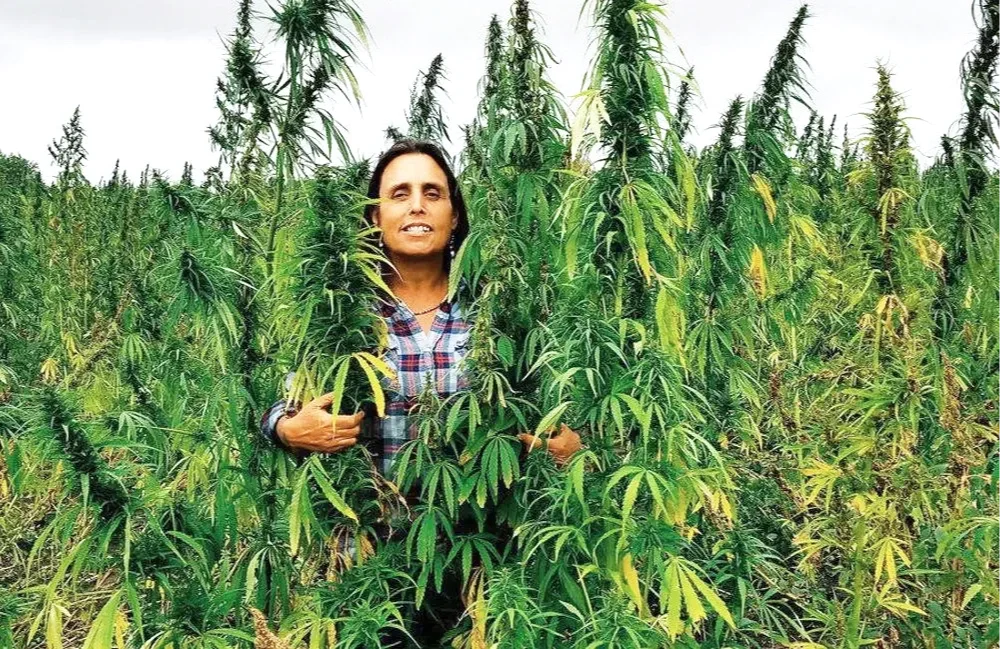
"Our people are in the process of recovering from the great lie…that the land is merely a resource. The land is our relative, and our future depends on restoring that relationship."
- Winona LaDuke
Land and seeds are central to survival, culture, and sovereignty. Winona LaDuke, an Anishinaabe elder, economist, and activist, has devoted her life to protecting land and water while supporting the resurgence of Indigenous food systems. Her work demonstrates that ecological justice, cultural survival, and women’s leadership are inseparable.
Winona LaDuke (b. 1959) is a member of the Mississippi Band Anishinaabe, White Earth Reservation in Minnesota. She is an economist, writer, and long-time advocate for Indigenous rights and ecological justice. In 1993 she founded the White Earth Land Recovery Project, focused on reclaiming Anishinaabe lands, revitalizing traditional farming, and restoring wild rice harvesting. She also co-founded Honor the Earth, an organization that supports Native environmental justice initiatives through advocacy, arts, and cultural work.
Her books, including All Our Relations: Native Struggles for Land and Life and Recovering the Sacred, argue that the health of Indigenous communities is tied to the health of the ecosystems they inhabit. She has also been a key voice in movements against pipelines and extractive industries, emphasizing that water and land must be protected for future generations.
Winona LaDuke’s philosophy begins with the recognition that land and seeds are relatives, not commodities. She teaches that cultural survival depends on restoring these relationships, and that women are central in carrying the knowledge of farming, seedkeeping, and ecological stewardship.
Her teachings emphasize:
Land Recovery: reclaiming Indigenous territories as a foundation of sovereignty.
Seed Sovereignty: protecting and cultivating ancestral seed varieties for community resilience.
Women’s Leadership: women as keepers of food, water, and cultural continuity.
Protecting Water: resisting extractive projects to safeguard the life of rivers and lakes.
These teachings come alive in the rice harvests of the White Earth community, in seed-saving projects, in renewable energy initiatives, and in the resistance to oil pipelines across Anishinaabe lands. Every act of planting, harvesting, or protecting water reflects her vision of sovereignty and ecological balance.
Her call to treat the land as a relative acts as both philosophy and practice. Every time seeds are saved, water is defended, or land is restored to Indigenous stewardship, her vision becomes tangible.
We honor Winona LaDuke for her lifelong devotion to land, seeds, and Indigenous futures. Her work reminds us that true sovereignty begins with relationship to the earth and responsibility to generations to come.
Resources & Further Reading
All Our Relations: Native Struggles for Land and Life by Winona LaDuke
Recovering the Sacred: The Power of Naming and Claiming by Winona LaDuke
White Earth Land Recovery Project (welrp.org)
Honor the Earth (honorearth.org)
