
What is Urban Farming?
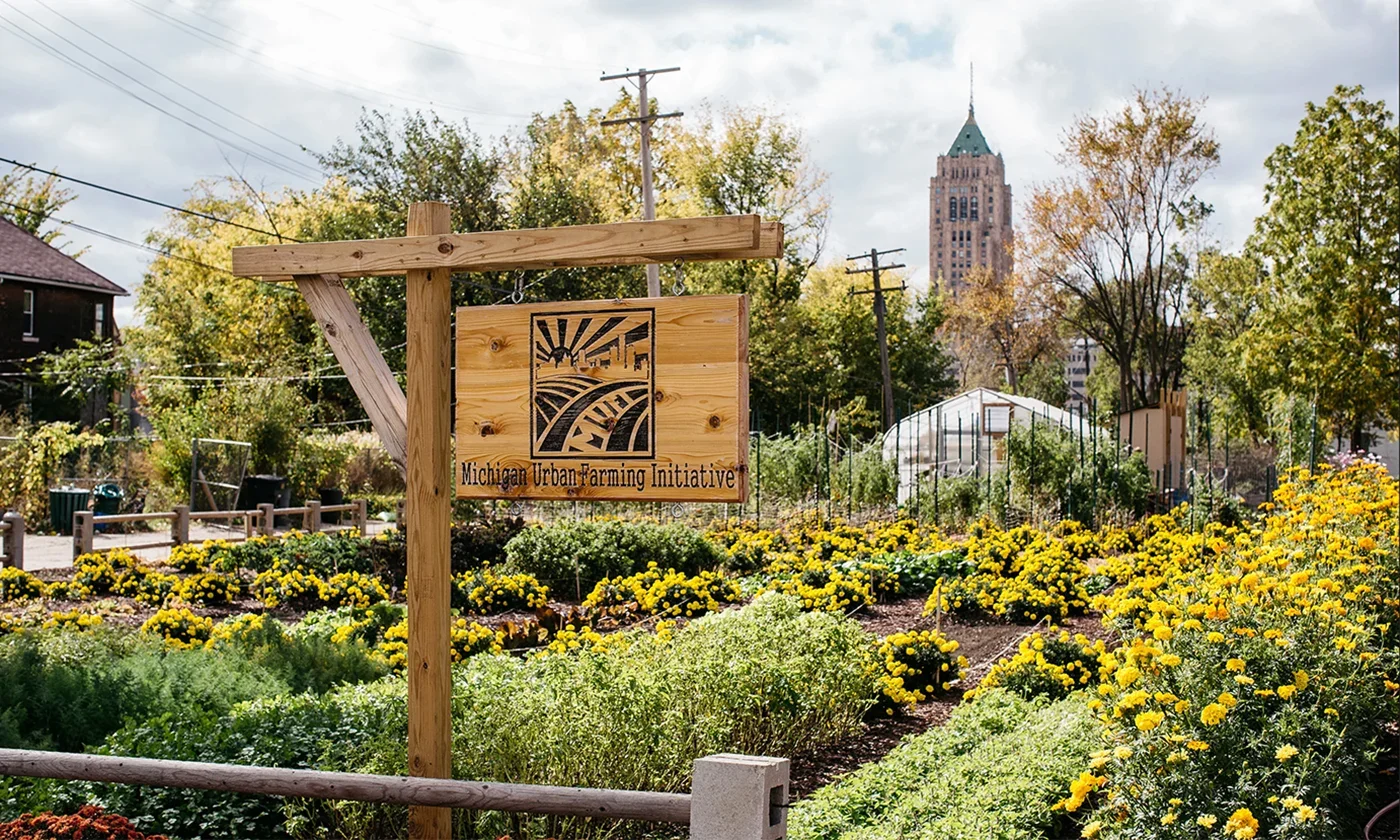
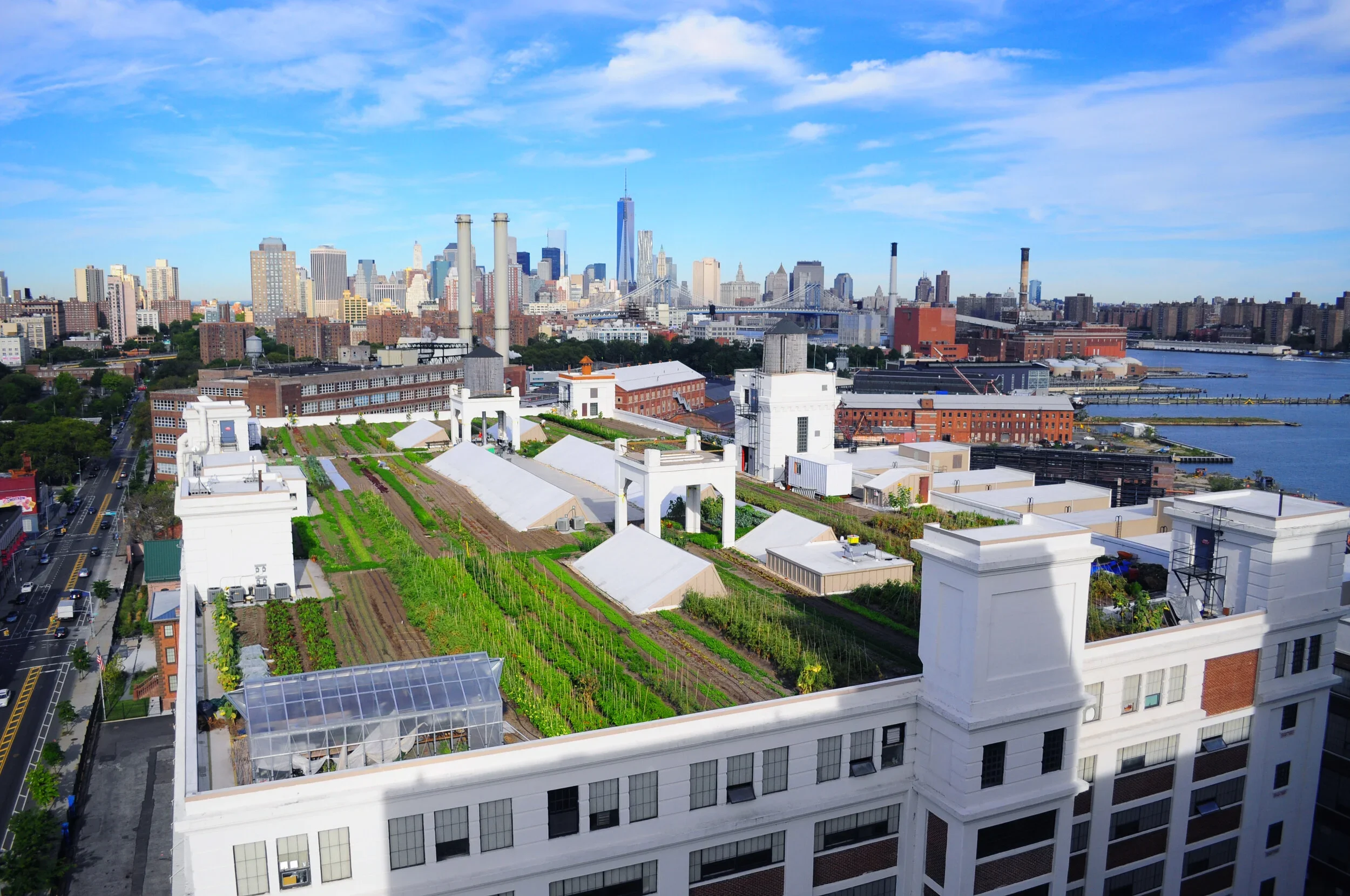
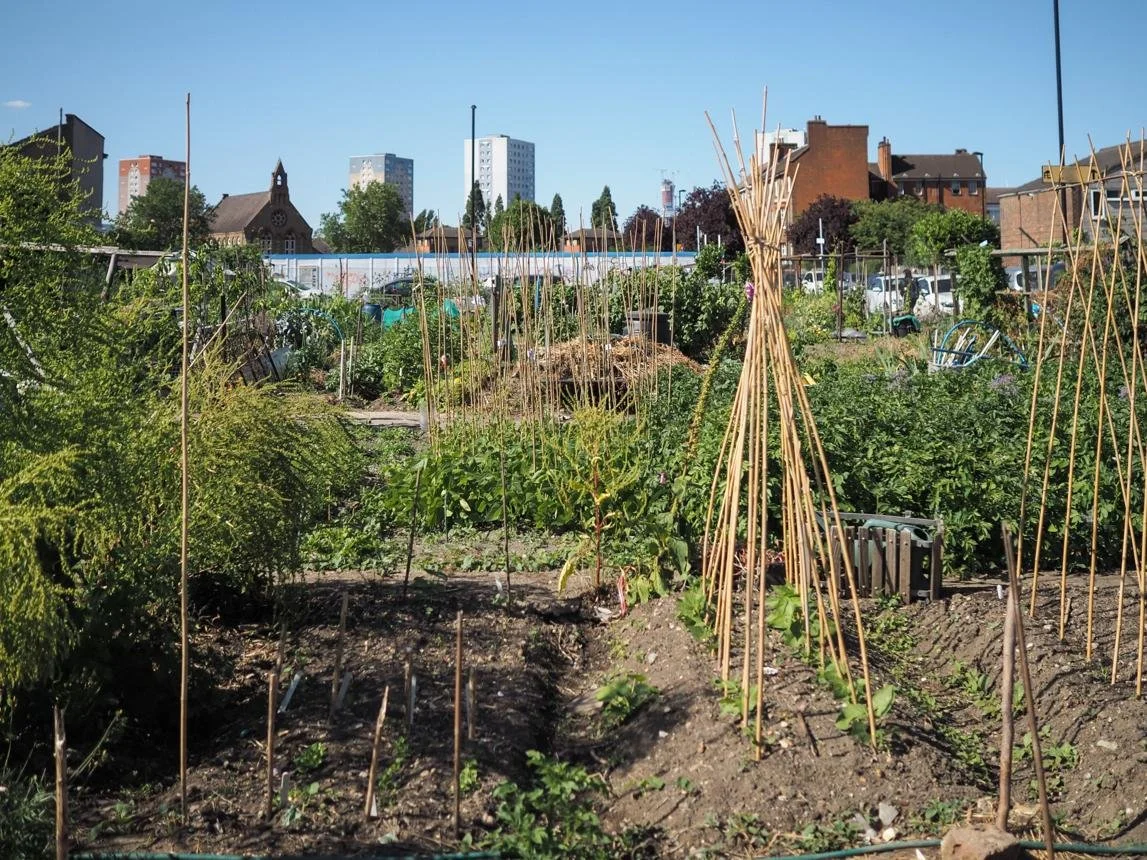
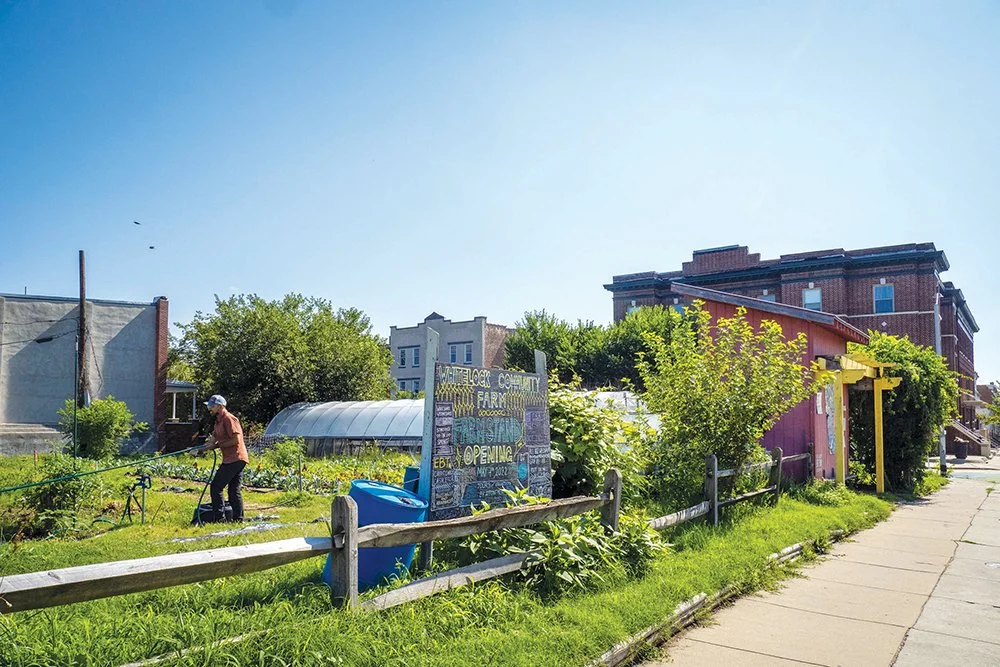
Urban farming refers to the cultivation of food within and around cities, including practices such as community gardens, rooftop farms, schoolyard gardens, vertical agriculture, and cooperative plots on vacant land. It has existed in many forms throughout history, from the victory gardens of wartime America to the terrace gardens of precolonial African and Asian cities. In its contemporary form, urban farming addresses both ecological and social challenges: food access, community health, environmental sustainability, and local economic development.
Urban farming is distinguished from rural agriculture by its integration into dense human settlements. It often combines food production with education, social services, and cultural expression, turning gardens into spaces of resilience and community.
Core Dimensions of Urban Farming
Food Access: providing fresh, affordable produce in areas affected by food apartheid.
Community Building: transforming vacant lots and shared spaces into centers of collective care.
Education: teaching ecological literacy, nutrition, and agricultural skills in schools and neighborhoods.
Environmental Benefits: reducing heat islands, managing stormwater, and recycling organic waste.
Economic Development: creating opportunities for small-scale entrepreneurship, cooperatives, and local markets.
Examples in Practice throughout the US
Soul Fire Farm (Grafton, NY) — A farm advancing food sovereignty and training programs rooted in ancestral agricultural practices founded by Leah Penniman
La Finca del Sur (South Bronx, NYC) a community-led urban farm focused on food justice, education, and culturally relevant crops.
Detroit Black Community Food Security Network(Detroit, Michigan): Led by Malik Yakini, this initiative advances land justice and ecological resilience through urban agriculture.
Brooklyn Grange (New York City, NY) — A large-scale rooftop soil farm producing vegetables across city buildings
Three Sisters Gardens (West Sacramento, USA) urban farming initiative addressing food deserts founded by Alfred Melbourne that transforms vacant lots into productive gardens in underserved areas.
Ron Finley Project( Los Angeles) focuses on transforming food deserts into spaces of nourishment, education, and community power.
Huerta del Valle(Ontario, CA – Inland Empire)Founded by Gloria Perez, works directly with low-income families + local food systems by focusing onfood justice, immigrant farming knowledge, youth education
Growing Home (Chicago, IL) — An urban farm offering job training and organic food production in underserved communities.
Urban farming reveals that agriculture is not limited to the countryside. It is a social movement and ecological practice that reclaims city spaces for nourishment, resilience, and justice.
Resources & Further Reading
Farming While Black — Leah Penniman
Freedom Farmers: Agricultural Resistance and the Black Freedom Movement — Monica M. White
Black Food Geographies — Ashanté M. Reese
